Matcha nutrition facts: calories, EGCG, and L-theanine
A grounded look at what's actually in a bowl of matcha: calories, antioxidants (EGCG), L-theanine, caffeine, and the numbers behind the calm-alert feeling.
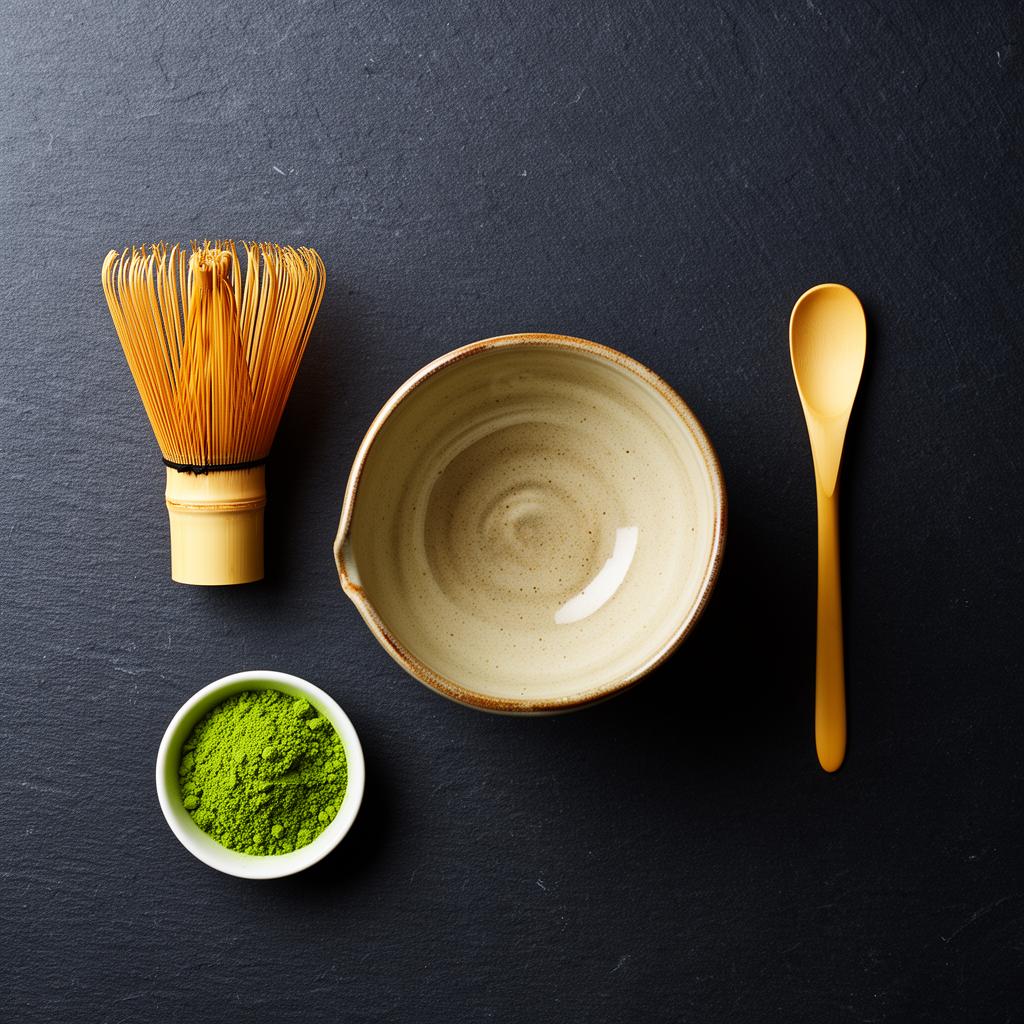
A standard serving of matcha is about two grams of powder — roughly one level teaspoon, or the amount a chashaku scoops twice. Because you drink the whole leaf rather than steeping and discarding it, the nutrient density per gram is meaningfully higher than a cup of steeped green tea. The numbers below are per two-gram serving unless noted otherwise, and are averages across published analyses of ceremonial-grade Japanese matcha.
Calories are low: roughly 5–6 kcal per two grams, from a small amount of protein and fibre in the whole leaf. There's no meaningful sugar or fat. Any calories in a matcha latte come almost entirely from the milk and any syrup you add — a plain water-whisked bowl is essentially calorie-free in practice.
“Matcha isn't a supplement. It's whole leaf, ground fine, whisked into water. The nutrition follows from that.
”
The most-discussed compounds are the catechins, a family of polyphenol antioxidants. The dominant one in matcha is EGCG (epigallocatechin gallate). A two-gram serving delivers approximately 60–130 mg of EGCG depending on grade and harvest, which is several times more than a typical cup of steeped green tea because you're consuming the leaf itself. EGCG is the compound most often cited in studies on green tea and metabolic health.
Choose the next cup
Ready to turn the story into a ritual?
Compare the four tins by how you drink: water-only bowl, daily cup, milk and ice, or a warmer roasted pour.
How to make an iced matcha latte (the right way)
Two grams of matcha, a small whisk, cold milk, and ice. Here's the exact method for a layered iced matcha latte that actually tastes like matcha.
Matcha vs coffee: sustained energy without the crash
Same caffeine ballpark, very different feel. Here's how matcha and coffee compare on caffeine, energy curve, and health — and when to reach for each.